
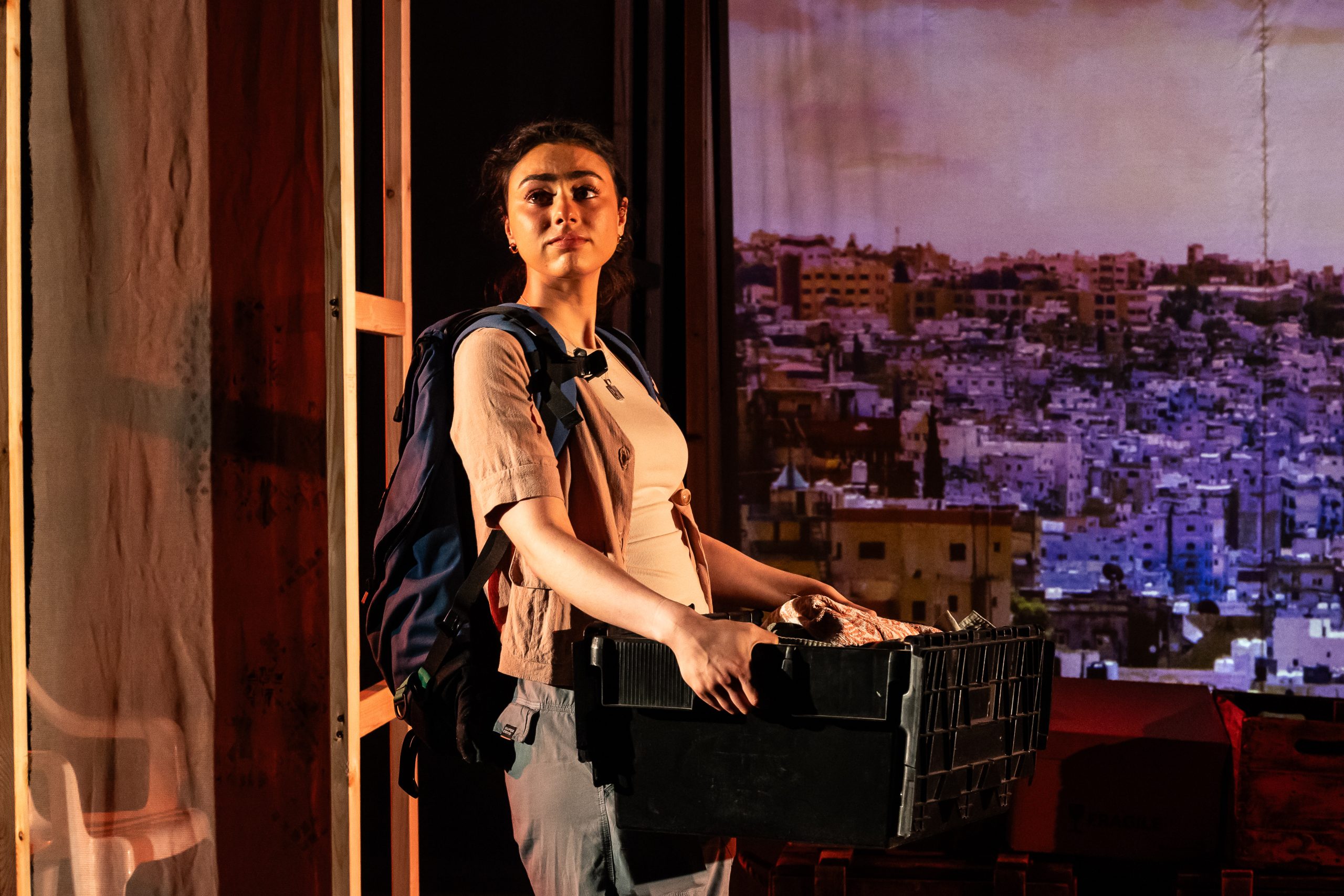
In less volatile times, the memory of the Arab spring would be fresh in our minds. But with the Iran war already stealing attention from Gaza (let alone Ukraine), you may forget the intensity of the revolutionary wave across north Africa and the Middle East 15 years ago.
That was when social media came into its own, building solidarity as people took to the streets in pro-democracy protests: in Tunisia where fruit seller Mohamed Bouazizi set himself on fire; in Libya where the people rose up against Col Gaddafi; and in Egypt where protests across the country and especially in Cairo’s Tahrir Square led to the ousting of President Mubarak. At the time, it felt like things were changing for the better.
Mariem Omari was there to see it, first as an observer for the UN relief and works agency, then compiling human rights reports for Médecins du Monde. An Arabic speaker from a Lebanese-Scottish family, she arrived in Jordan to keep an eye on Israel and Iraq a few months before receiving reports of unrest in Tunisia. [READ MORE]